
2025 Annual Report > Partnership shaped by purpose: ELCA Deaconess Community and MIF
Partnership shaped by purpose:
ELCA Deaconess Community and MIF
‘OUR FINANCIAL CHOICES SHOULD REFLECT ETHICS AND VALUES’
Published on June 2, 2025
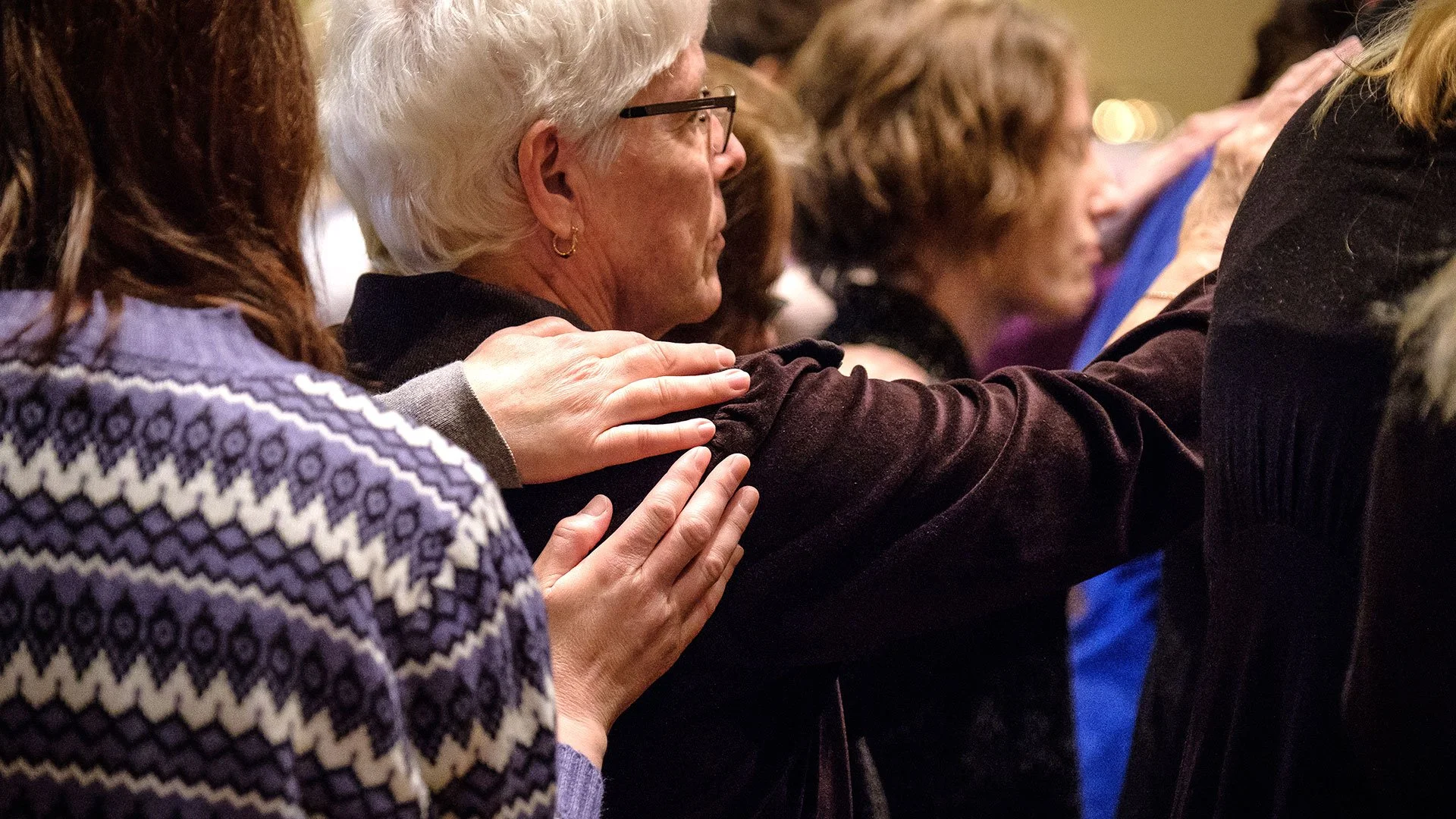
At the Mission Investment Fund (MIF), we understand that financial stewardship is about more than numbers—it’s about helping people and ministries bring hope and healing into the world. In addition to offering solid, dependable investment options for individuals and congregations, MIF walks alongside mission-driven organizations such as the Deaconess Community of the ELCA as a primary financial partner whose practices reflect the community’s values.
A LIFE OF FAITHFUL SERVICE: THE ELCA DEACONESS COMMUNITY
For years, the ELCA Deaconess Community was known by many as the church’s best-kept secret, but the community wants that to change. “Our sisters are theologically equipped and hands-on,” says Directing Deaconess Sister Dottie Almoney. “The church’s future is diaconal—people are in the world most of the week and deacons help bridge church and world.”
In the community’s own words: “Diakonia is a core expression of Christian faith and practice. Rooted in Scripture and embodied in the life of Jesus, diakonia calls the people of God to lives of service, justice, compassion and care for the neighbor and the world.”
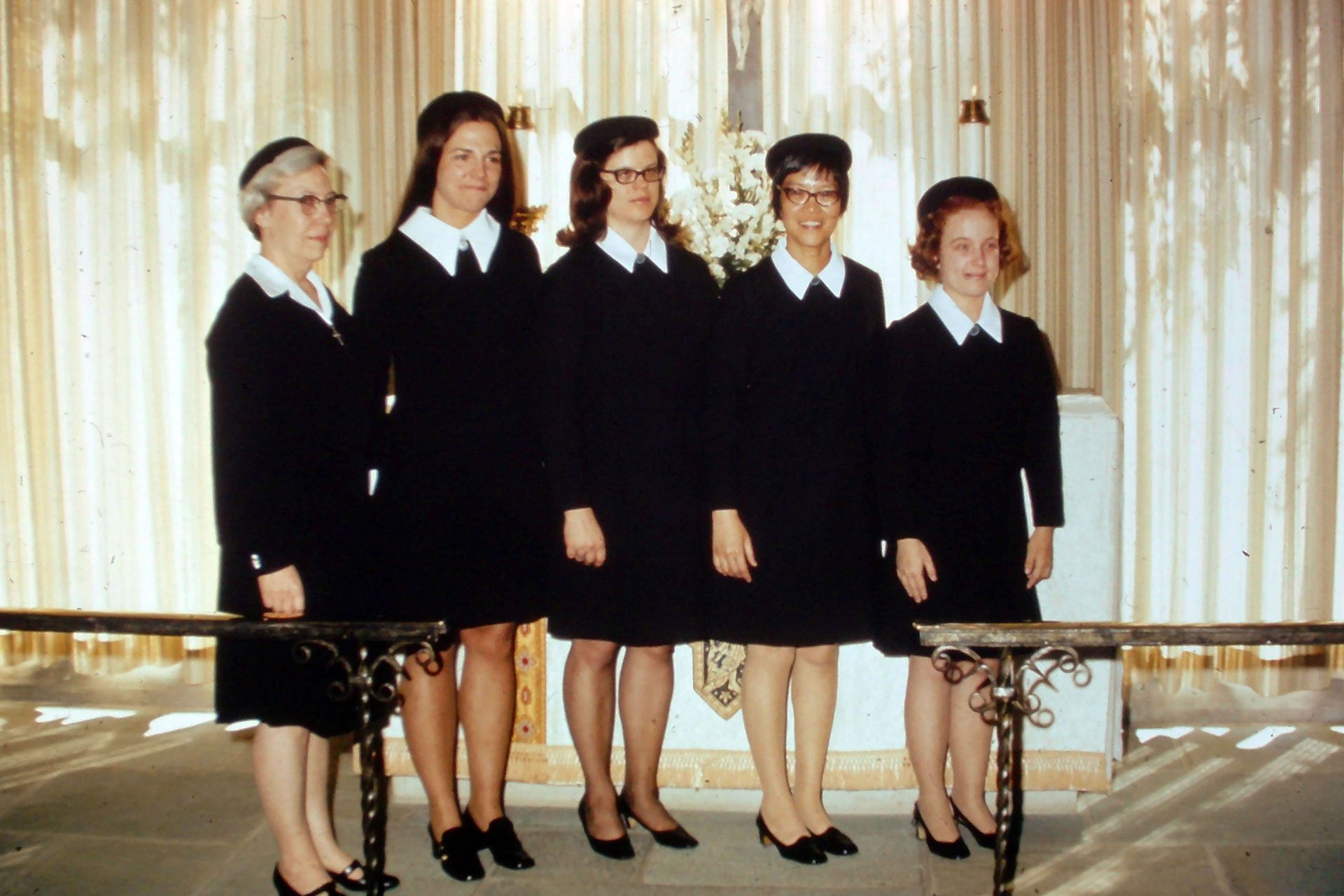
Deaconesses, who use the title “Sister,” followed by their first name, usually have seminary training, earning either a Master of Arts in religion or a Master of Divinity. Joining the ELCA Deaconess Community also includes specific formation on diaconal identity and life in community.
Sisters serve across the U.S., Canada and Puerto Rico as teachers, nurses and other professionals. What they hold in common is answering the call to diaconal ministry.
Intentional community guides the work. “Although we’re geographically dispersed,” says Sister Dottie, “Zoom lets us gather monthly for worship and Bible study, with additional educational offerings.” The community also holds an annual in-person assembly and regional gatherings.
Today, the community is exploring ways to become more inclusive, broadening the welcome and considering additional pathways for people already serving in diaconal roles who may not have the time or resources for traditional seminary education. As Sister Dottie notes, “Different routes serve different people.”
PARTNERING WITH THE MISSION INVESTMENT FUND
The community’s commitment to service also shapes how it approaches financial stewardship and partnership. When it came time to choose a financial institution, the ELCA Deaconess Community chose MIF.
“MIF is our primary bank. It’s nice for us to be able to support the greater church using MIF. As a community, we’re really aware of where our investments go—what companies we work with, how they spend their money and who they support. We’re careful about partners and avoid companies working against people’s well-being. With MIF, our financial practices align with our values.”
In addition to everyday financial transactions, the ELCA Deaconess Community uses MIF to send funds internationally for its worldwide connections and overseas grantees.
“With MIF, you know what you’re getting—we’re not looking at a big bank that might have conflicts of interest with the Deaconess Community.”
“With MIF, when you invest money, it’s not helping just you. It’s helping everybody else. So, it’s really a diaconal understanding of banking. Investing diaconally means our resources help others, not just ourselves. We bank with MIF and MIF’s lending supports ELCA ministries. Values matter—our financial choices should reflect our ethics.”

MISSION GRANTS MAKING A DIFFERENCE
In addition to lives of diaconal service, the ELCA Deaconess Community provides yearly grants to organizations serving their neighborhoods. Any ministry may apply.
“We can’t fund everything,” shares Sister Dottie, “but the range is wide—feeding ministries, shelters, creative arts, health care projects in Africa and Haiti, immigration work and more.”
The community also sends offerings where needed and directs any year-end budget surplus to other ministries, such as the ELCA’s ethnic-specific ministries. The aim is to finish the year at zero rather than carry funds forward.
WHERE IT ALL BEGAN
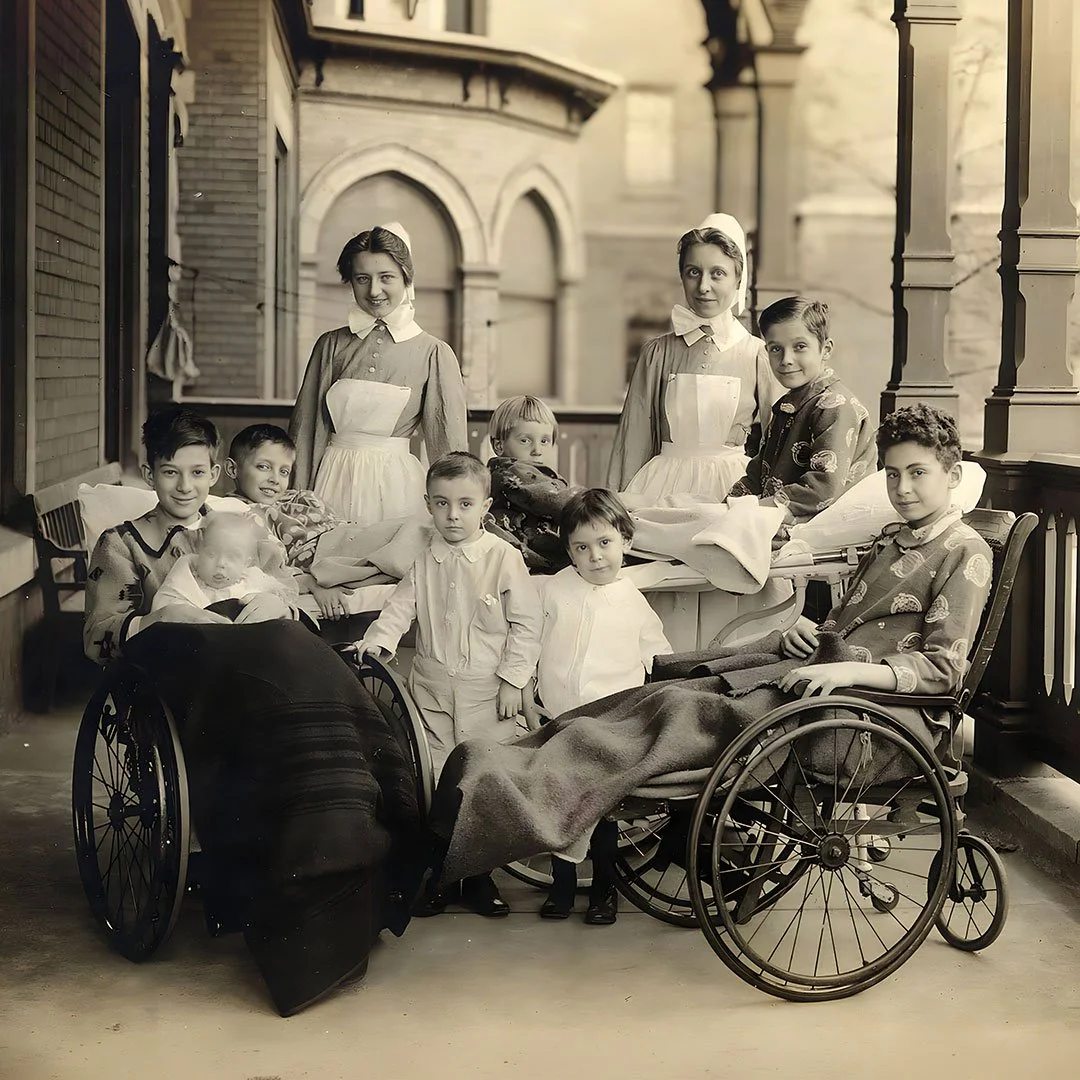
Older than the ELCA and its predecessor church bodies, the ELCA Deaconess Community’s history traces to mid-1800s Germany. Deaconesses came to the U.S. from Norway and Germany around 1885, establishing hospitals, orphanages, assisted-living homes and Motherhouses for training—initially with a strong focus on nursing.
Over time, Motherhouses took on different emphases—for example, nursing in Philadelphia and congregational ministry in Baltimore. The last Motherhouse, in Gladwyne near Philadelphia, closed shortly after 2000.
GLOBAL AND ECUMENICAL
Both global and deeply ecumenical, the ELCA Deaconess Community remains connected to its roots and to one another. There are communities in Norway, Poland, France, Brazil, India and more.
“We share many challenges across contexts—poverty, cost of living, treatment of marginalized people,” says Sister Dottie, appreciating the depth and breadth of deaconess service around the world. “Our conversations help us see common ground and learn from one another.”
Ecumenically, through Diakonia of the Americas and Caribbean and World Diakonia, the ELCA Deaconess Community works with Methodists, Presbyterians, Lutherans, Episcopalians and others on shared concerns. Sister Dottie says: “The future of the church will rely on ecumenical partnerships.”
‘OUR FINANCIAL CHOICES SHOULD REFLECT OUR ETHICS’
The ELCA Deaconess Community, notes Sister Dottie, appreciates MIF because it’s part of the Lutheran church.
“With MIF, when you invest money, it’s not helping just you. It’s helping everybody else. So, it’s really a diaconal understanding of banking. Investing diaconally means our resources help others, not just ourselves. We bank with MIF and MIF’s lending supports ELCA ministries. Values matter—our financial choices should reflect our ethics.”
To learn more please visit The Deaconess Community of the ELCA